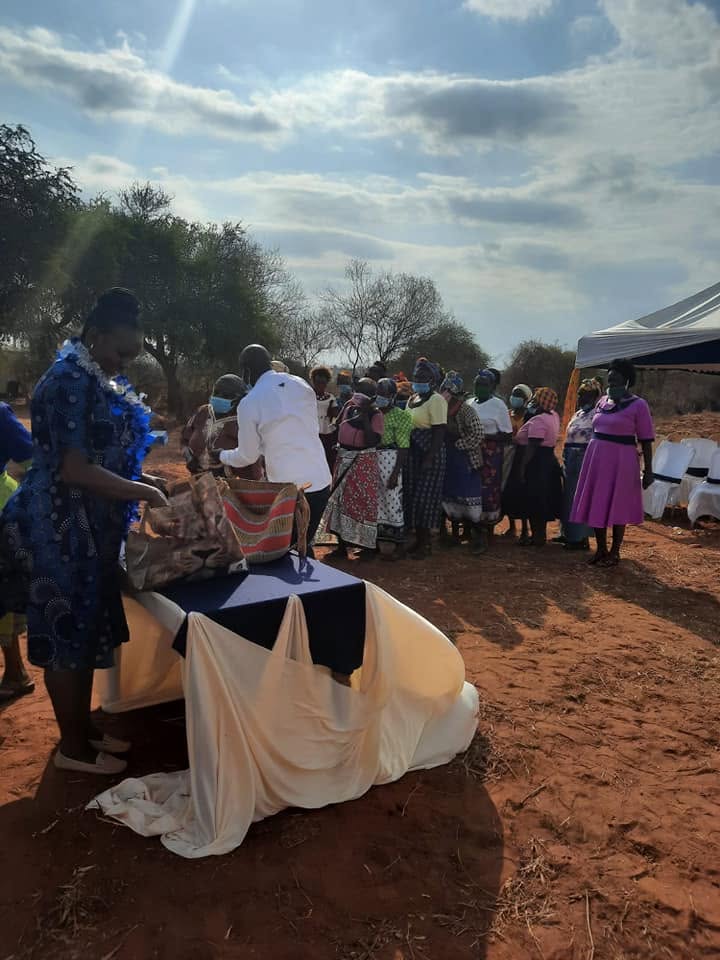
Inclusion means more than assistance
Inclusion means more than providing assistance. Persons with disabilities should be able to access education, develop skills, participate in community life and pursue economic opportunities on an equal basis.
The agenda will focus on removing practical barriers while ensuring that persons with disabilities and their organisations are part of the programmes and decisions that affect them.
Support that improves independence
For some persons with disabilities, the right equipment can make the difference between dependence and participation.
Support will include mobility devices and assistive equipment for persons who require them, with particular attention to genuine need and the ability of the equipment to improve mobility, communication, learning or participation.
Education without barriers
Children and young people with disabilities should not be excluded from education because of the additional costs or support their circumstances require.
The agenda will support education opportunities for learners with disabilities, including appropriate educational equipment and assistance for students who face barriers to continuing their education.
Skills that create opportunity
Disability should not be a barrier to earning a livelihood. Support will include skills development, entrepreneurship and economic empowerment programmes designed to help persons with disabilities build businesses, develop employable skills and participate in income-generating activities.
PWD groups with viable economic activities can also be supported with appropriate trade and productive equipment.
Inclusion in community programmes
Community programmes should be designed to include persons with disabilities from the beginning, rather than treating accessibility as an afterthought.
The focus will therefore include accessibility and inclusion in community programmes, while working with PWD organisations and community structures to identify barriers and practical solutions.
Connecting people to specialised support
Some persons require more than what a community programme can provide. A stronger identification and referral pathway will help connect persons with disabilities who require specialised services, rehabilitation, assistive devices or other forms of support to the appropriate institutions and programmes.
Disability should never mean exclusion from opportunity.
How you will be able to check
- Assistive equipment: published records of mobility devices and assistive equipment provided, including the type of support and beneficiaries reached
- Education support: learners with disabilities receiving education support documented by programme, school or institution
- Skills and enterprise: PWD skills, entrepreneurship and economic empowerment programmes published, including participants and areas of training
- Trade and productive equipment: equipment provided to viable PWD groups documented and linked to specific economic activities
- Accessibility: community programmes assessed for accessibility, with identified barriers and improvements reported
- Referral and specialised support: a documented referral pathway showing persons connected to specialised services and the relevant institutions or programmes
- PWD participation: PWD organisations and representatives involved in the design and implementation of programmes affecting persons with disabilities