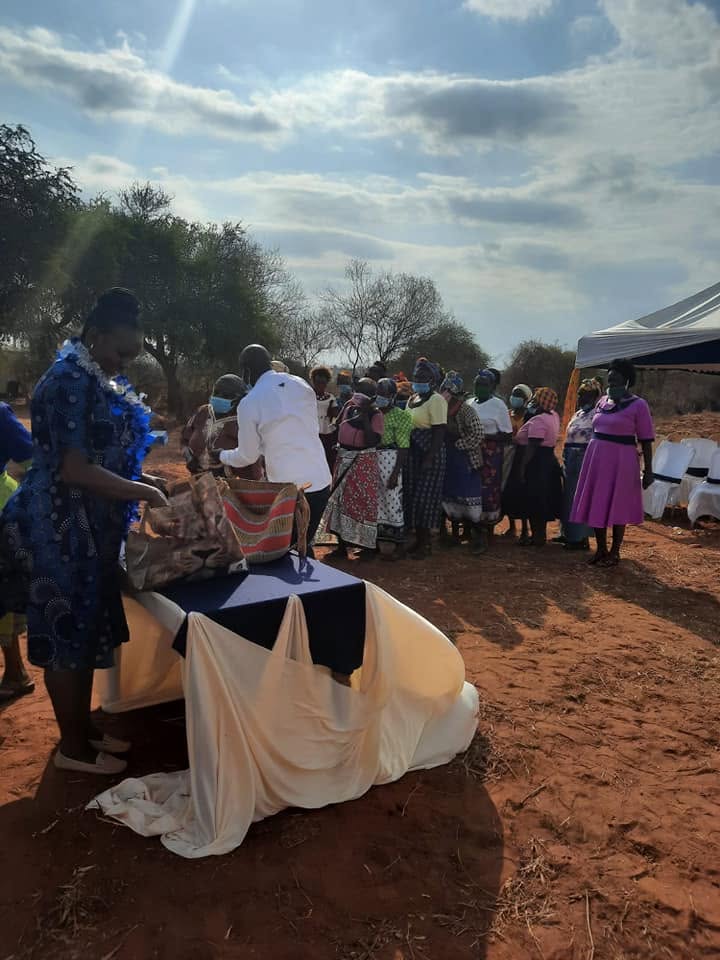
Development does not always require a mega-project
Community development does not always require a mega-project. Sometimes the greatest difference comes from a practical project that addresses an everyday need in a village, market, school or community facility.
Rather than making promises outside the mandate of the Woman Representative, the focus will be on practical community projects that can be supported through NGAAF and other appropriate partnerships, subject to available funding and the necessary approvals.
Water where communities need it
Access to water remains a practical challenge for many communities. Support can include community water tanks, boreholes and other appropriate water-related projects, particularly where communities have identified a clear need and the proposed project can serve a meaningful number of people.
The focus will be on projects that are properly identified, approved and capable of being maintained after completion.
Facilities that serve communities
Community facilities should respond to real needs, particularly for vulnerable groups. Support may include appropriate facilities and improvements that benefit children, women, older persons, persons with disabilities and other vulnerable members of the community, depending on the identified need and available resources.
Supporting local markets and livelihoods
Small traders and community enterprises also need practical infrastructure that helps them operate. Where appropriate, community projects can support market infrastructure and facilities for small traders, helping create safer and more functional spaces for local economic activity.
Let communities help decide
Community projects should not be selected simply because they are politically attractive. Projects will be identified through community consultation and transparent prioritisation, taking into account the scale of the need, the number of people likely to benefit, feasibility, available resources and the ability to sustain the project.
Projects should solve real problems, serve real communities and remain useful long after they are launched.
How you will be able to check
- Project list: proposed and approved community projects published with their location, purpose, estimated cost and intended beneficiaries
- Community priorities: records showing how communities were consulted and how proposed projects were prioritised
- Water projects: water tanks, boreholes and other supported water projects documented by location, status and intended beneficiaries
- Community facilities: supported facilities documented, including the community or vulnerable group they are intended to serve
- Market support: market-support infrastructure published with its location, purpose and beneficiaries
- Project progress: updates showing the status of projects from approval through implementation and completion
- Funding and accountability: project expenditure and relevant implementation information made available for public scrutiny, subject to applicable reporting and privacy requirements