The county
Our Makueni
A county rich in people, talent, resilience and possibility. This page is an honest description rather than a list of promises. Government cannot solve everything here, and pretending otherwise has been part of the problem.

Women
The county's economy is largely run by women
In every market from Tawa to Mtito Andei the traders are mostly women, and behind them are groups that meet monthly, contribute, lend and repay with a discipline formal lenders would envy.
What limits them is scale, not seriousness. The group can lend enough for stock and not enough for a vehicle. Formal credit asks for security held in somebody else's name.
Young people
A generation that has already priced the alternative
Young people here are not idle. They are driving boda, casual labouring, farming parent's land, and running small businesses on borrowed capital.
The frustration is that most of this is holding rather than building. Any honest youth policy in Makueni has to be about the step from surviving to accumulating.
Education
Serious parents, uneven schools
Households here sacrifice heavily for school fees. That commitment is not in question anywhere in this county.
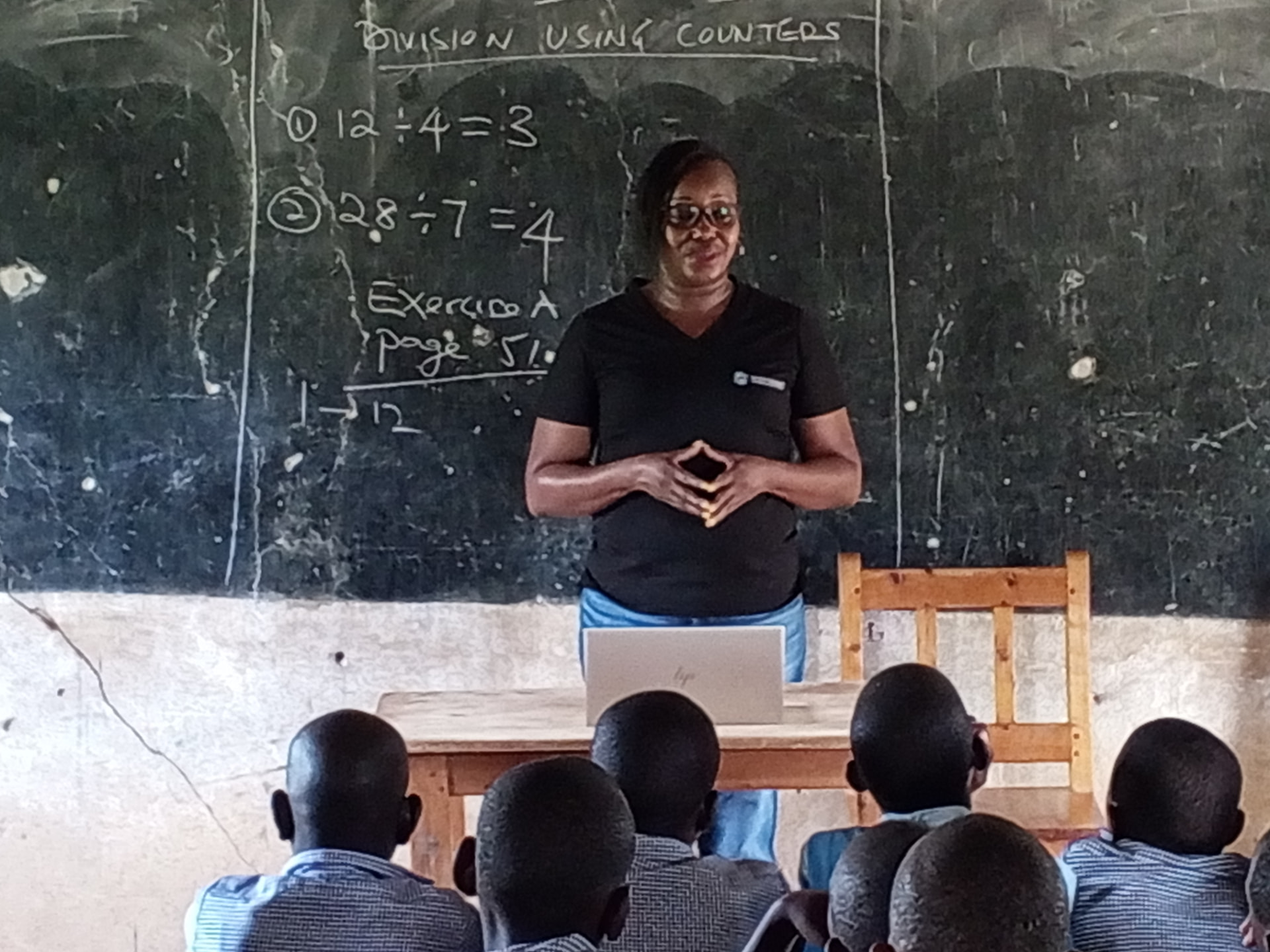
The unevenness sits between schools. Laboratories, libraries, teacher numbers and accessibility vary enormously across wards, and children sit the same national examination regardless.
Agriculture
Good farmers, bad terms of trade
Green grams, cowpeas, pigeon peas, mangoes, livestock in the lower wards, coffee and horticulture in the upper ones. Farmers here read rainfall better than most forecasts do.
The loss happens at the farm gate. Without storage, a farmer sells on the day the lorry arrives at the price the lorry names.
Families and communities
The safety net is built by neighbours
Church groups, self-help groups, burial committees and merry-go-rounds do most of the real welfare work in this county, funded by people who have very little.
Government support works best when it strengthens these structures and worst when it sets up a parallel committee that lasts as long as the funding.
Technology
Distance is the problem technology actually solves
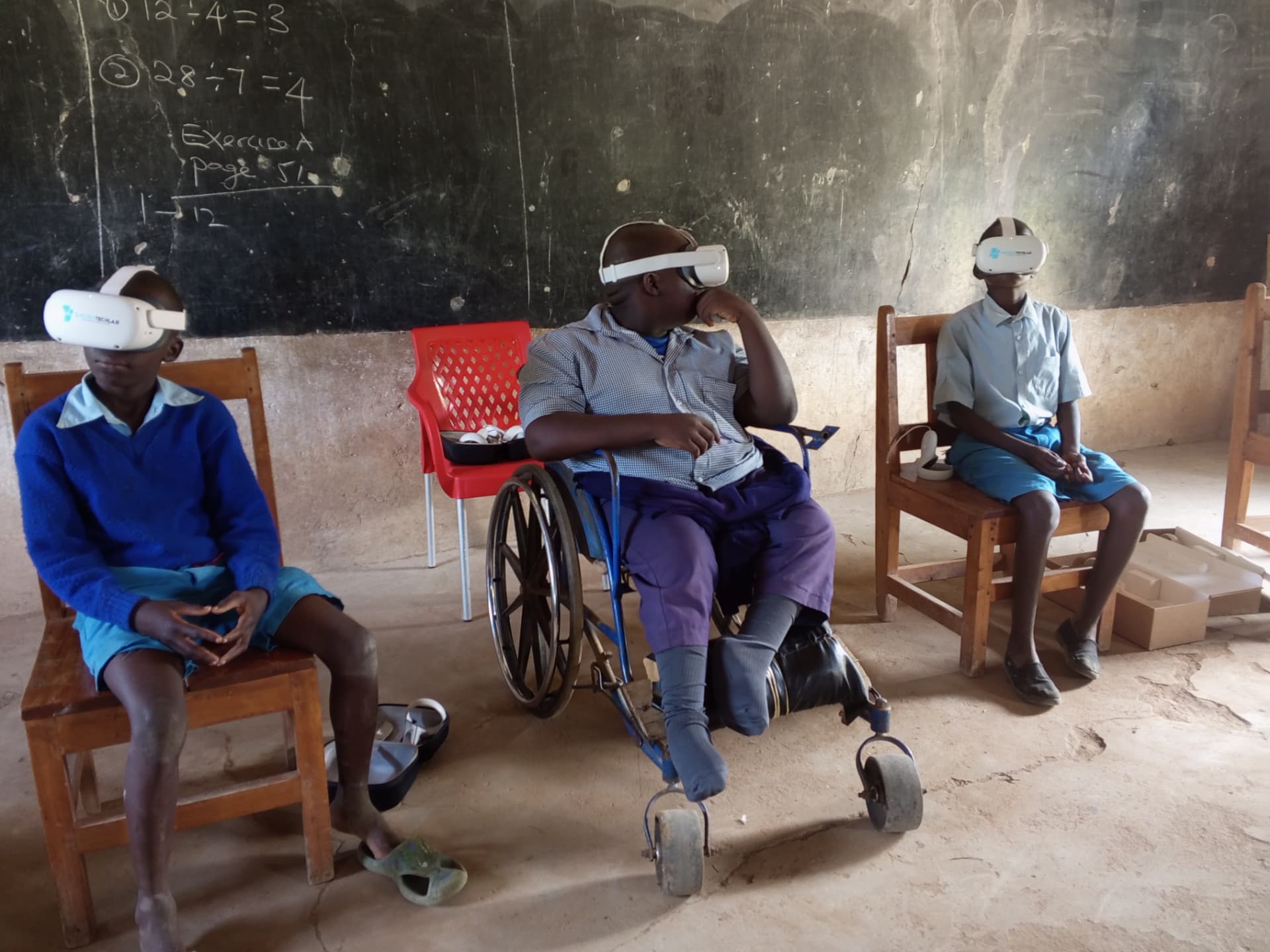
Mobile money changed this county more than any programme did, because it removed a journey. The same logic applies to work, to information and to public records.
The practical need is unexciting: reliable power, honest connectivity, and skills that end in payment rather than a certificate.
Economic opportunity
Value that leaves the county before it is created
Produce leaves raw. Sand leaves raw. Young people leave trained. What comes back is remittances, which are welcome and are not a strategy.
Small-scale processing, aggregation and local procurement are not glamorous, but they are where value stays.
Accountability
Suspicion is rational when nothing is published
People here are not cynical by temperament. They are cynical because bursary lists are not published, meeting calendars are not kept and reports are not circulated.
Most of that can be corrected without legislation, by an office that decides to publish and keeps doing it after the first year.