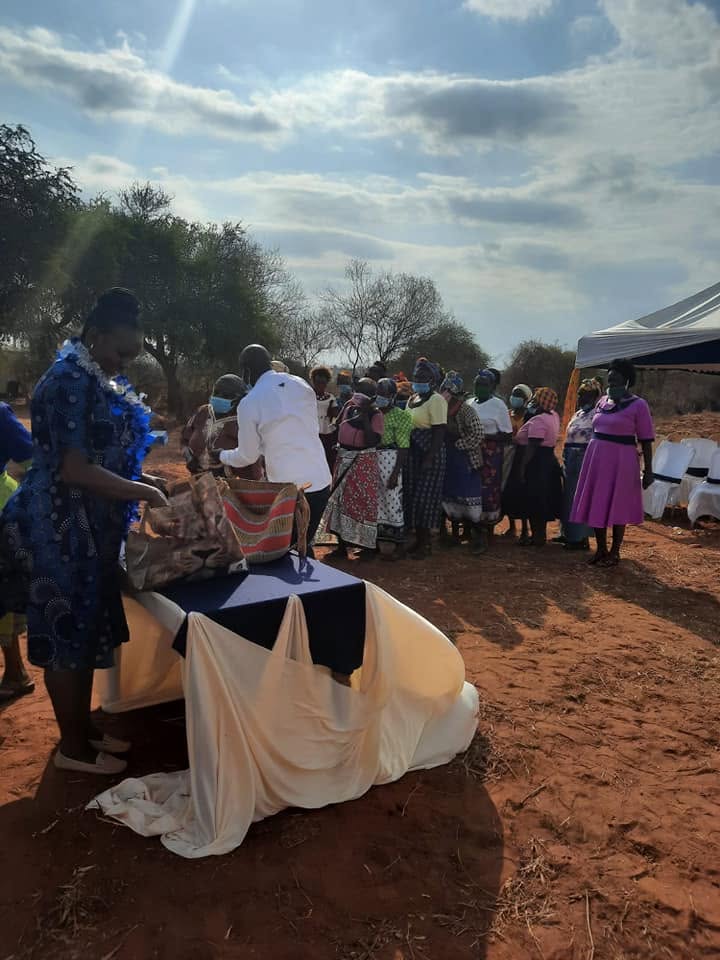
Water shapes daily life
For many families in Makueni, access to water still determines how much time children can spend in school, how much time women can spend on work and enterprise, and how communities manage their daily lives.
The focus will be on supporting practical water solutions in communities where the need is greatest, while working with the institutions responsible for water infrastructure and development.
Water where it is needed most
Support will focus on boreholes where technically and financially viable, alongside water storage tanks, rainwater harvesting and other community-based water solutions.
The aim is not simply to build infrastructure, but to support projects that provide a reliable source of water and can be maintained by the communities and institutions they serve.
Water for schools and vulnerable communities
Schools and vulnerable communities should not be overlooked when water projects are prioritised. Support will seek to improve water access in schools and communities facing particular hardship, helping reduce the burden on families and ensuring that basic water needs do not become a barrier to education, health or dignity.
Working beyond one institution
Expanding water access requires more than one source of funding or one institution. The agenda will pursue partnerships with government agencies, NGOs, development partners and other relevant organisations to identify viable projects, mobilise resources and extend water access to communities that need it.
Community solutions that can last
Every water project should have a clear purpose, an identified community need and a plan for sustainability. Projects will therefore be considered based on factors such as technical feasibility, community need, the number of people likely to benefit, available resources and the ability to operate and maintain the infrastructure.
Every community deserves a reliable source of water.
How you will be able to check
- Boreholes: supported boreholes published by location, status, estimated beneficiaries and the basis on which the project was prioritised
- Water storage: water tanks and storage projects documented by location, capacity and intended beneficiaries
- Rainwater harvesting: supported rainwater-harvesting initiatives published, including the schools or communities reached
- Community water projects: a public record of supported water projects showing their purpose, location and implementation status
- Schools and vulnerable communities: water-access interventions for schools and vulnerable communities documented separately so their reach can be tracked
- Partnerships: government, NGO and development-partner collaborations publicly identified, including the projects or communities they support
- Project sustainability: each supported project should have a documented maintenance or management arrangement before implementation where applicable